
On this page
TL;DR: There's a sentence attorneys using video consistently hear from new clients almost word for word: I felt like I already knew who I was hiring. That single sentence is proof the convincing already happened before anyone called, and it points to three paths every law firm is on, whether they realize it or not.
Why Clients Say They Already Knew Who They Were Hiring
There's a sentence attorneys using this approach hear over and over from new clients, almost word for word. I felt like I already knew who I was hiring.
Sit with that for a second. That sentence isn't flattery. It's proof the convincing already happened before anyone picked up the phone. The person calling isn't shopping anymore. They're confirming a decision they made alone, in private, before intake staff ever said hello.
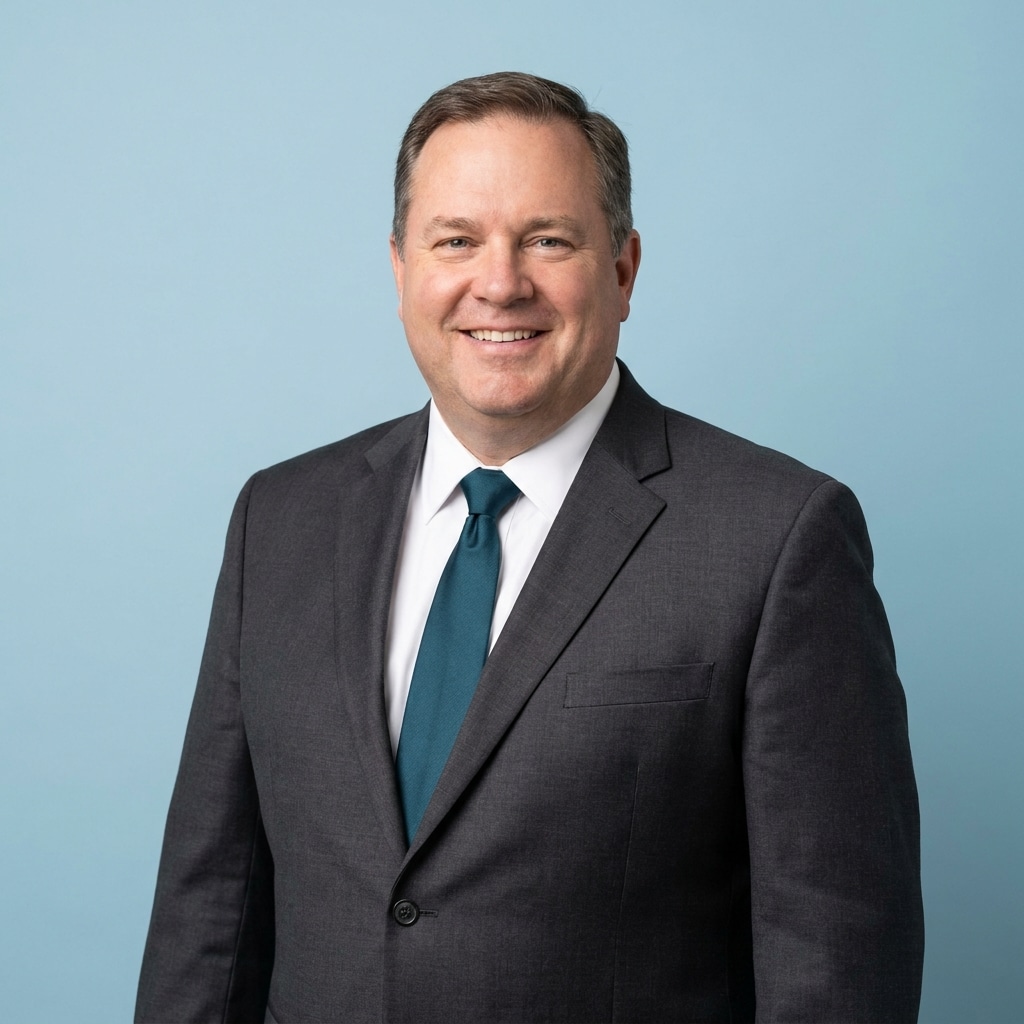
I'm Marc Apple, founder and partner at Forward Push Law Firm Marketing, and I want to show you what changes once that trust gets built before the call.
Compare that to the calls most firms are still fielding every day. A caller who's also talked to two other firms this week. A caller testing tone, patience, and answers, looking for a reason to eliminate a firm rather than a reason to choose one. That first conversation is expensive in a way that never shows up on an invoice. It costs staff time. It costs patience. And most of the time, it ends with a caller who says they'll think about it, and never calls back.
Now picture the other version of that call. The person already watched an explanation of their exact situation two nights earlier. Already heard a voice walk through what happens next in a case like theirs. Already decided, somewhere between the video and tonight, that this sounded like someone who actually understood people in their position. That caller isn't testing anymore. They're just making it official. The entire tone of the conversation changes before a single word gets exchanged.

Why Repeated Exposure Builds Trust Faster Than Reputation Alone
Seeing someone's face repeatedly builds familiarity. Hearing their voice repeatedly builds connection. Put both together across multiple channels over months, and you've recreated the kind of trust that used to require years of local reputation to earn. The difference is it doesn't depend on how long someone has practiced in a zip code. It depends on whether they showed up enough times, in enough places, for a stranger to feel like they already know them before they ever say hello.
Clients decide before they call, so the old sales process starts too late. Most attorneys can’t sustain a recording schedule that competes with their caseload every month, so the plan needs to survive without their constant involvement. AI tools are already answering questions about who to hire, using whatever content they can actually read, and video sits right in the middle of that. The fix isn’t more discipline or more hours. It’s one session that produces a library that keeps working long after the camera turns off.
Put all of that together, and here's where every attorney reading this actually stands tonight. There are three paths.

Path One: Do Nothing
Let the firms already doing this widen the gap every month they keep publishing and you don't. This path feels the safest in the moment, because it asks nothing of you today. It's also the most expensive path over three years, because the gap between a firm that's been compounding trust for thirty six months and one that's been sitting still doesn't close. It widens.

Path Two: Try It Yourself
Watch it quietly die around month three when a trial gets moved and nobody reschedules the shoot. This path feels the most responsible, because at least you're trying something. It usually ends the same way it's ended for most attorneys who tried it before, with a handful of videos from last spring and a quiet decision to revisit the idea again someday.
Path Three: Build a System That Doesn't Need You Every Month
Build it around a single session, and let it compound in the background while you go back to actually practicing law. This path asks the least of your calendar and produces the most over time, because it was designed around the actual constraints of running a law practice instead of a marketer’s idea of what an attorney’s schedule looks like. Systems like Counsel Twin AI exist to make this path possible without adding a single thing to an attorney’s calendar.
Most attorneys have already lived through path one or path two. Usually both, at different points in their career. Neither is a character flaw. They're both the predictable result of trying to fix a systems problem with willpower, using a plan that was never built for the way a law practice actually runs.
The Question Worth Asking Before You Decide
Here's the uncomfortable part worth saying plainly. The attorney who shows up consistently, on video, across every channel a client might find them on, is the one who gets the call. Not because they're the better lawyer in the courtroom. Because they let a stranger meet them first, enough times, in enough places, that the stranger stopped being a stranger before they ever picked up the phone.
Nobody reading this needed convincing that video matters. You've probably known that for years, the same way you've known you should exercise more or call your mother back. Knowing was never the gap. The gap was a plan that survived contact with an actual law practice.
A year from now, someone in your market is going to search for exactly the kind of case you handle, at exactly the hour your office is closed. They'll open a video. They'll hear a voice explaining exactly what they're going through. They'll feel that quiet, specific relief of finally finding someone who seems to understand. The only real question is whose face they're going to see when that moment happens.
The client who's going to call about their case tonight has already started deciding. The only real question left is whether the trust gets built by you, or by whoever else answered first.
Want to work through this with a pen in hand? Download the free companion workbook here.